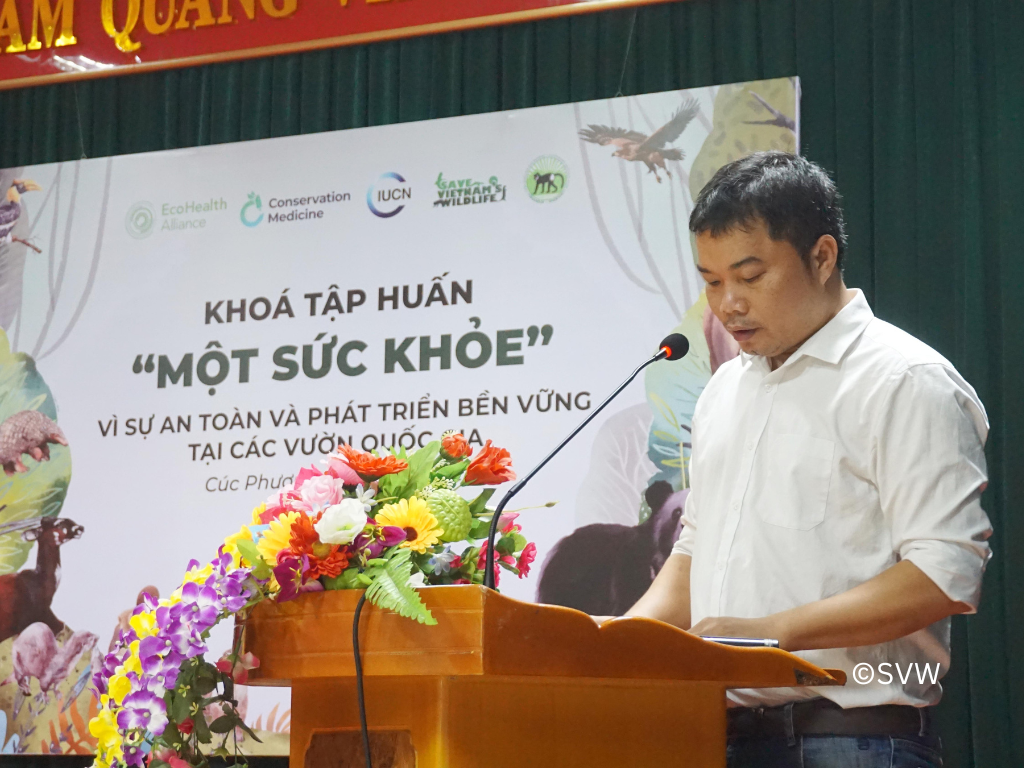

How does SVW use modern technology to understand human-elephant conflict?
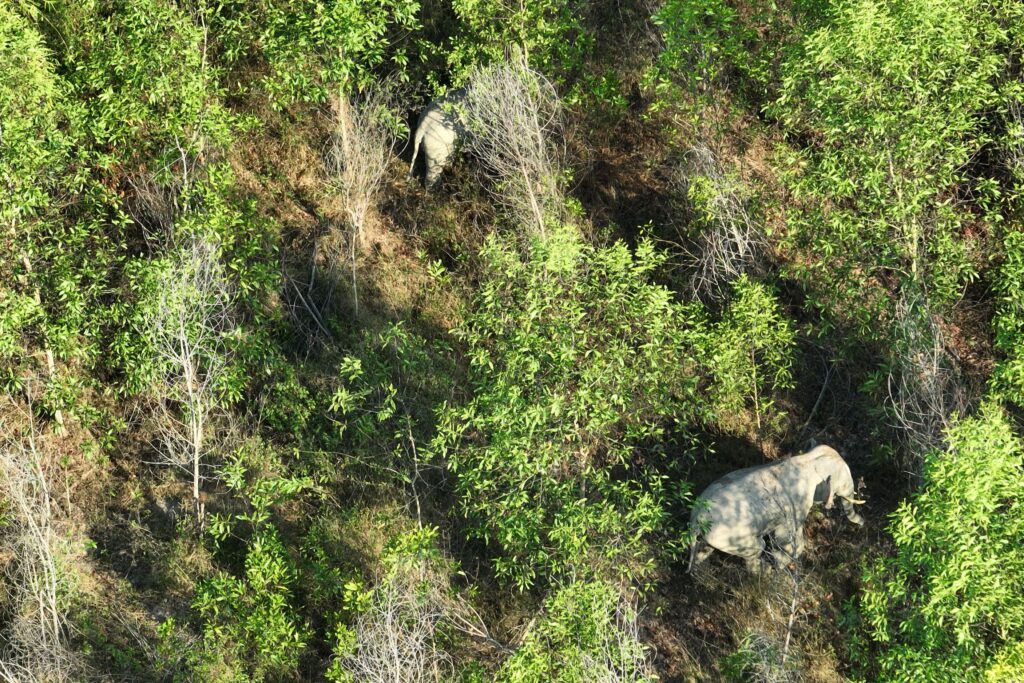
In Dong Nai, there is currently a population of over 20 Asian elephants, residing primarily between Cat Tien National Park and the Dong Nai Culture and Nature Reserve. Buffer zone communities and the elephant population are facing conflicts and economic and property damage caused by elephant incursions, which are driven by habitat loss and the increasing overlap between elephant and human spaces.
Elephants in Vietnam are nearing extinction, and Dong Nai is home to one of the most important elephant populations in the country. To address these challenges, it is crucial to implement effective measures to mitigate human-elephant conflict while identifying and promoting strategies for coexistence between communities and elephants.
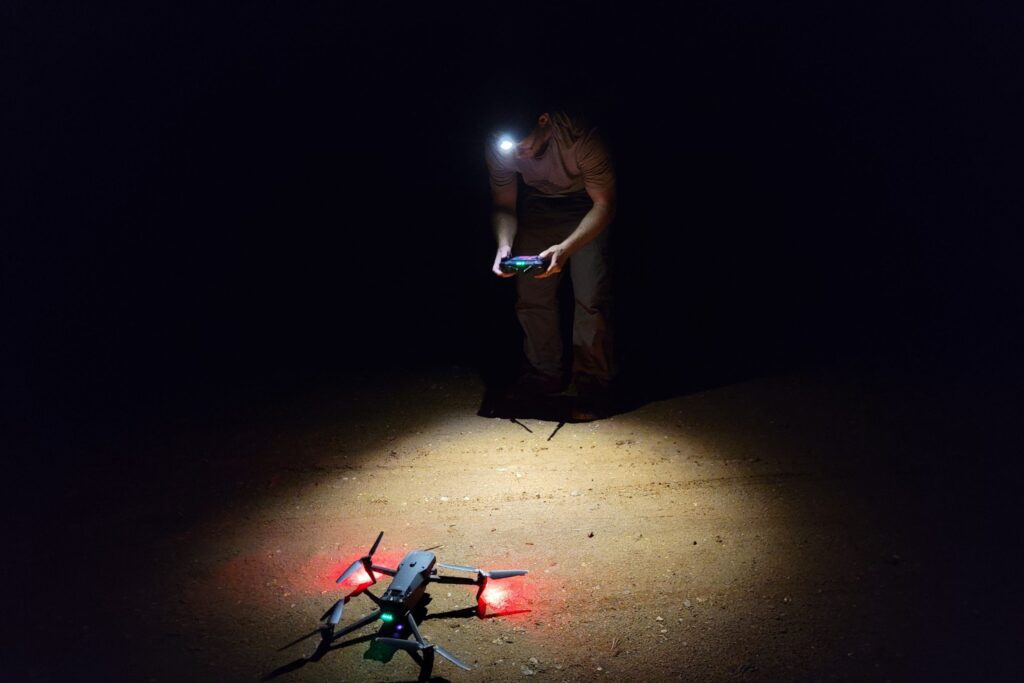
To investigate this issue, SVW researchers in Dong Nai, with support from the Mohammed Bin Zayed Species Conservation Fund, have sought to use drones for long-range wildlife monitoring. By incorporating thermal sensors, the detection rate of mammals increases significantly against the cooler background of the surrounding vegetation.
Researchers track the elephant herd as they move at night and in the early morning, identifying entry points, determining locations for installing Artificial Intelligence (AI) cameras to automatically send alerts to stakeholders, and building connections between sustainable tourism companies and farmers.
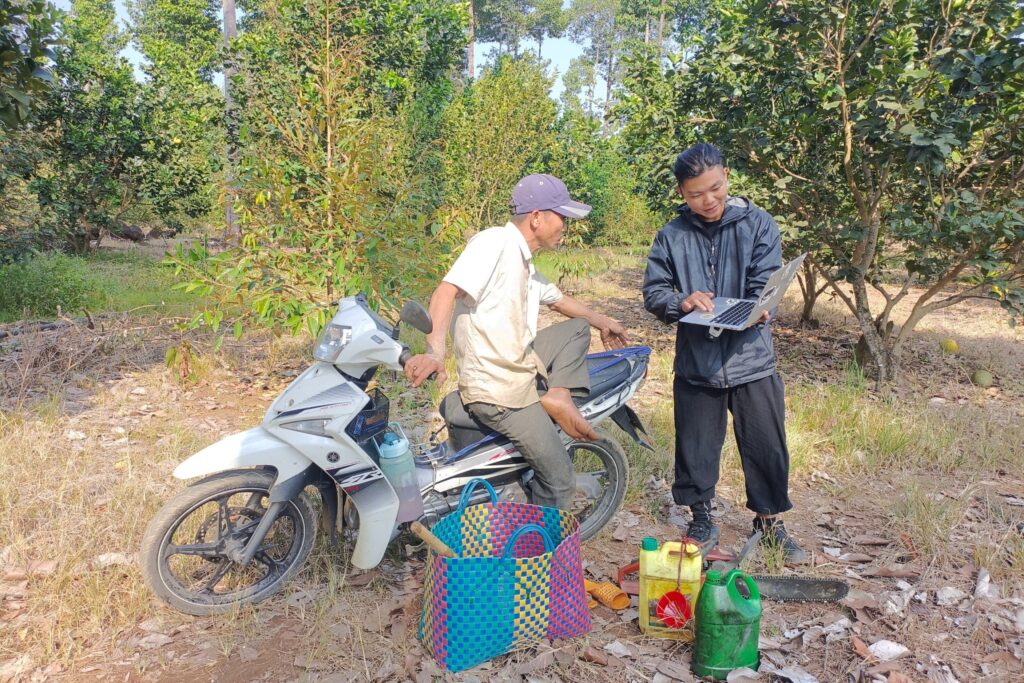
Next, safe elephant-viewing spots will be established. Smart cameras will send alerts to tourism operators who bring visitors to these viewing points. Developing sustainable tourism can generate income that benefits farmers, helping to offset the losses caused when the herd feeds on crops in the orchards they pass through.
The next phase of the project will involve placing AI cameras at hotspots where elephants frequently appear when foraging in agricultural areas at night, allowing local residents to receive real-time alerts when elephants are detected. With the support of new conservation technologies, mitigating human-elephant conflict, as well as researching and monitoring elephants, will become safer, more effective, and beneficial for both people and wildlife.