

About Us
Pu Mat National Park, Nghe An
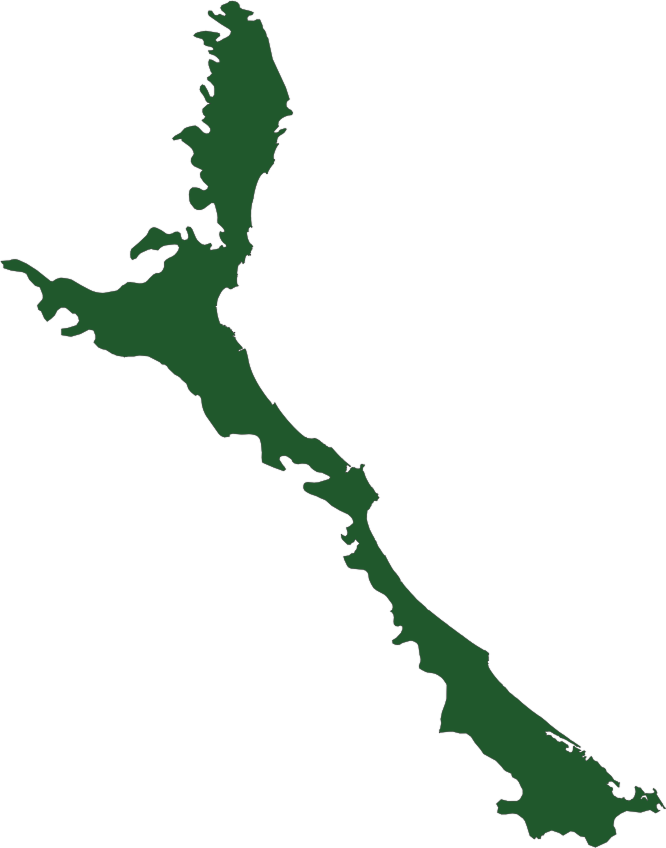
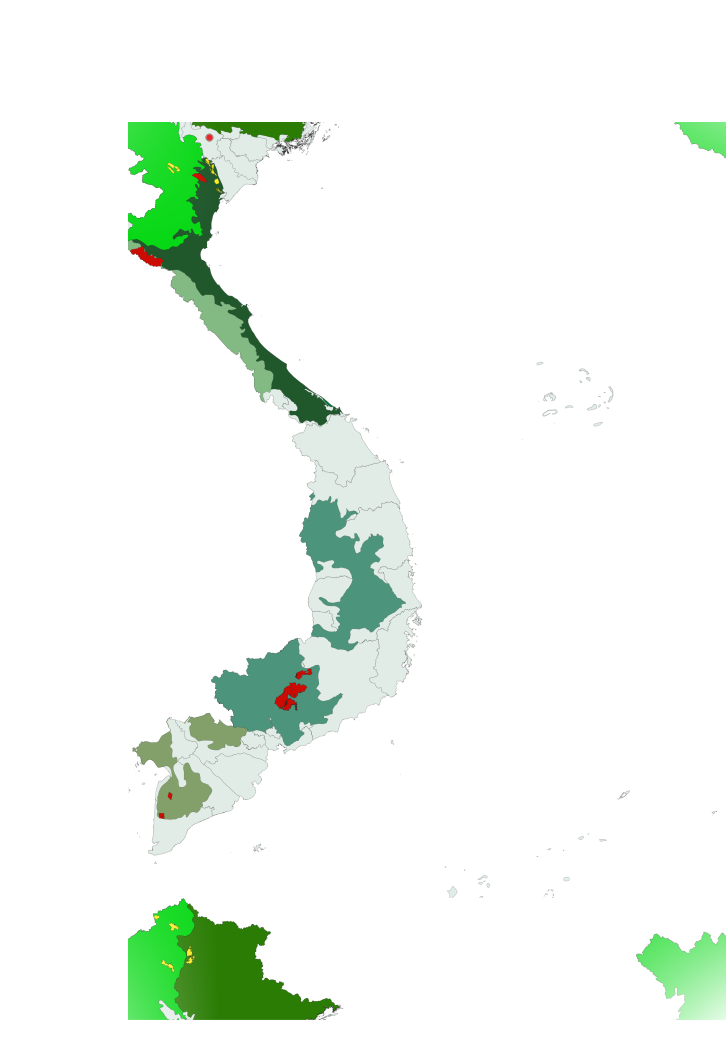
Pu Mat National Park is located along the Truong Son range, representing a tropical and subtropical forest region with high mountainous terrain. Pu Mat boasts a diverse ecosystem with 2,494 plant species, 132 mammal species, 324 bird species, and 86 reptile and amphibian species.
Cuc Phuong National Park, Ninh Binh
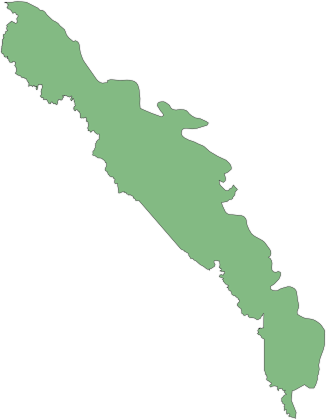
Cuc Phuong National Park is a protected area and special-use forest spanning the boundaries of three regions in northern Vietnam: the Northwest, the Red River Delta, and the North Central Coast. The park extends across the provinces of Ninh Binh, Phu Tho, and Thanh Hoa. Renowned for its rich tropical rainforest ecosystem, Cuc Phuong is home to an extraordinary diversity of flora and fauna, including many endangered and threatened species.The park supports a remarkable range of wildlife, with 97 mammal species (most notably several Asian primates), 137 bird species, 76 reptile species, 46 amphibian species, 11 fish species, and thousands of insect species, making it one of Vietnam's most biologically diverse protected areas.
Cat Tien National Park, Dong Nai
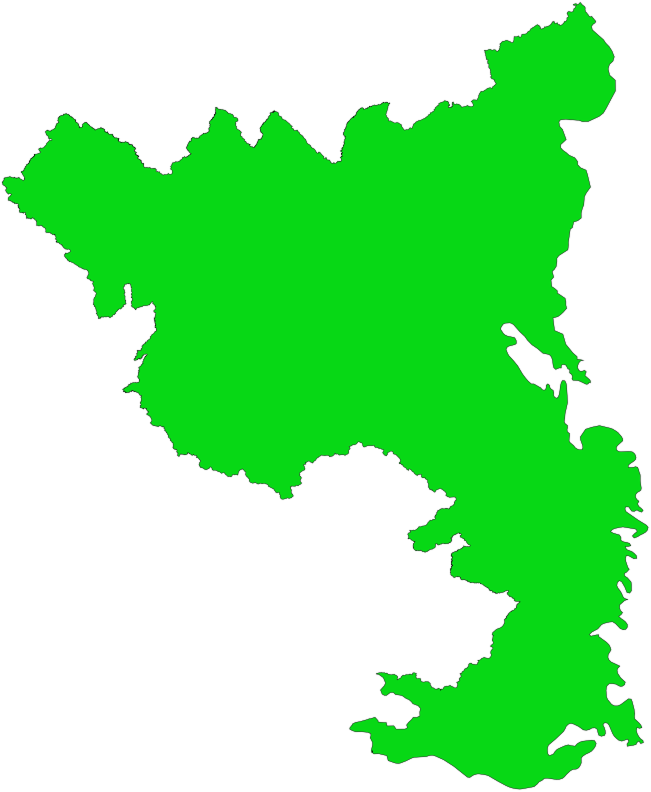
Cat Tien National Park is a protected area spanning the provinces of Dong Nai, Lam Dong, and Binh Phuoc in southern Vietnam, approximately 150 km north of Ho Chi Minh City. The park is characterized by its tropical lowland evergreen forests and is recognized as one of the country's most important biodiversity hotspots. Cat Tien is home to around 300 bird species - nearly half of all bird species recorded in Vietnam - and more than 450 butterfly species, representing over half of the country's butterfly diversity. The park also hosts the Dao Tien Endangered Primate Species Centre, which provides sanctuary for several threatened primate species, including the yellow-cheeked gibbon, silvered langur, black-shanked douc, and pygmy slow loris.
Dong Nai Culture and Nature Reserve
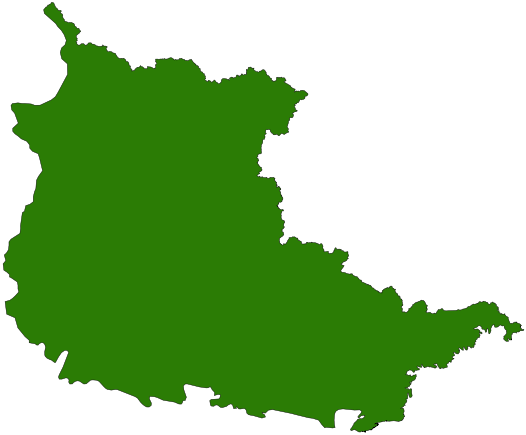
Dong Nai Culture and Nature Reserve is part of the Dong Nai Biosphere Reserve, a UNESCO-designated biosphere reserve in southern Vietnam. Covering nearly 100,000 hectares, the reserve encompasses tropical forests, including primary forests, regenerating forests, and the Tri An Hydropower Reservoir. The reserve is recognized for its exceptional biodiversity, providing habitat for more than 1,600 plant species and approximately 1,900 animal species. Among them are 110 rare and threatened species listed in the Vietnam Red Data Book. Dong Nai Culture and Nature Reserve is also home to Vietnam's last remaining wild herd of Asian elephants, with around 15 individuals living together in their natural habitat.
U Minh Thuong National Park, An Giang
U Minh Thuong National Park, located in An Giang Province, is one of the most important peat swamp Melaleuca forest ecosystems in the Mekong Delta. The park is characterized by extensive Melaleuca forests growing on deep peat soils that have formed over thousands of years, creating a unique wetland ecosystem of exceptional biodiversity and significant carbon storage value.
U Minh Thuong provides habitat for a wide range of wildlife and plant species, including many rare and threatened species, particularly waterbirds and other wetland-dependent fauna. By regulating water resources, storing carbon, reducing greenhouse gas emissions, and maintaining ecological balance, the park plays a strategic role in addressing the impacts of climate change.
U Minh Ha National Park, Ca Mau
U Minh Ha National Park, located in Ca Mau Province, is one of the two remaining Melaleuca peat swamp forest ecosystems that define the U Minh region. Covering more than 8,500 hectares of core protected area, with an extensive surrounding buffer zone, the park represents one of the Mekong Delta's most distinctive inland wetland ecosystems.
Its dominant ecosystem consists of Melaleuca (Melaleuca cajuputi) forests growing on peat soils, which play a vital role in carbon storage, water regulation, and maintaining ecological balance. U Minh Ha provides habitat for a rich diversity of wildlife, including water birds, reptiles, amphibians, and small mammals, many of which are of high conservation value. In addition to conserving biodiversity, the park plays a strategic role in forest fire prevention and management, hydrological management, and climate change adaptation in Vietnam's southernmost region.
Delacour's Langur Habitat
Naturally distributed only in Vietnam. Currently, they mainly inhabit limestone mountain areas in Ninh Binh, Ha Nam, and Phu Tho provinces, with the largest population concentrated in the Van Long Nature Reserve. Their habitat consists of limestone ecosystems interspersed with shrublands and evergreen forests.
Hanoi Representative Office
Tonkin Snub-nosed Monkey Habitat
Distributed only in limestone mountain forests and evergreen forests in Northern Vietnam. Currently recorded in several areas within Tuyen Quang and Bac Kan provinces. Populations are small in size and fragmented due to habitat loss.


Vision

Mission
.png)
Legal status
Activities



SVW 10-Year Impact Report
Learn more about the efforts and positive impact SVW has created
Awards
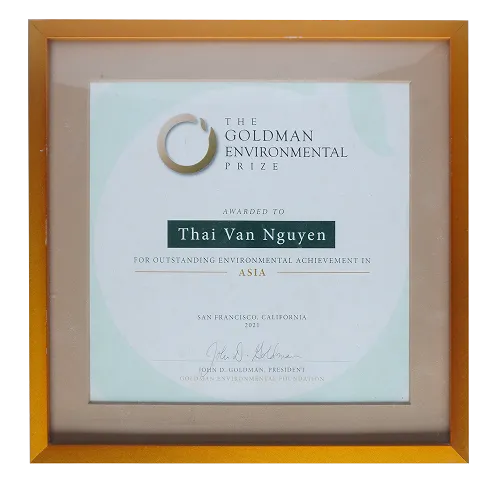
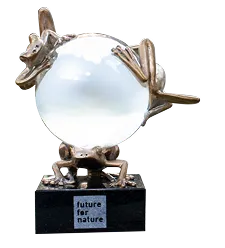
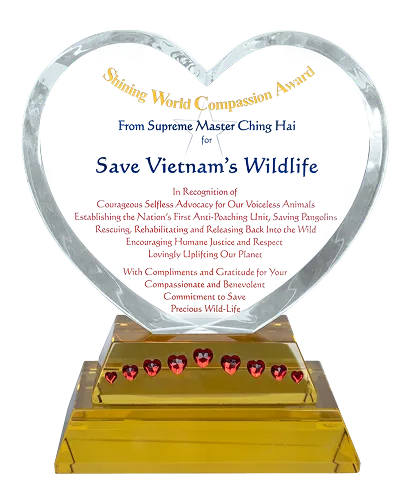
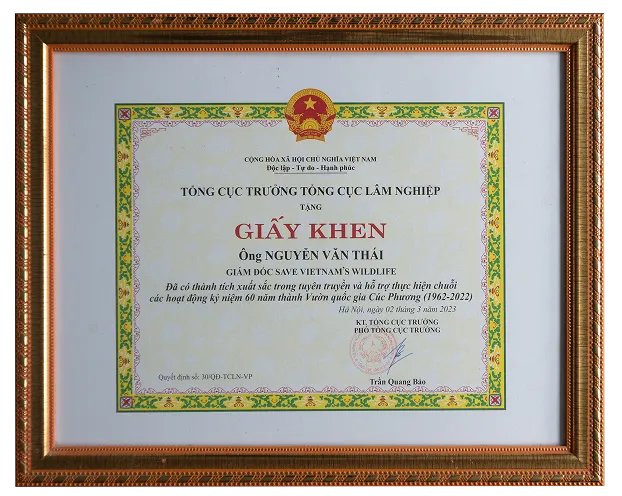
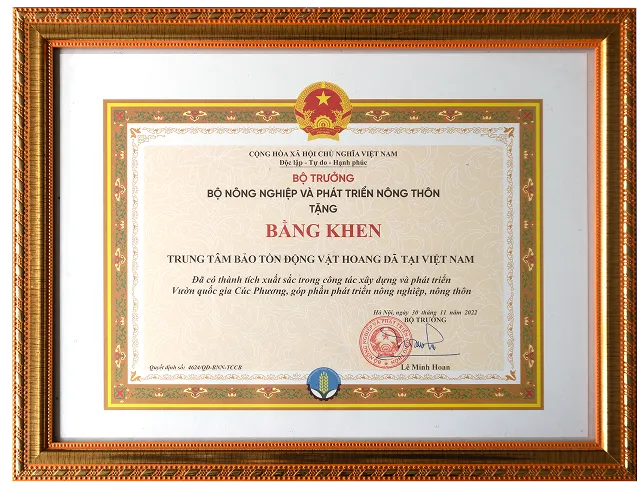
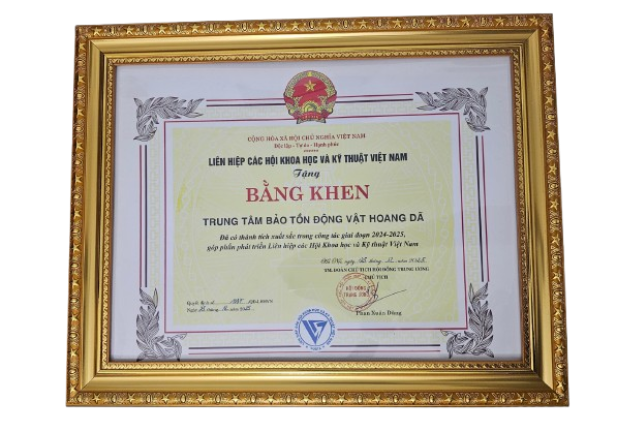
Additionally, SVW has received high praise through certificates of merit from the Vietnam Union of Science and Technology Associations (VUSTA), the Ministry of Agriculture and Rural Development, the Ministry of Natural Resources and Environment, the Nghe An Provincial People's Committee, and many other government partners.
Domestic
.png)
.png)

Global