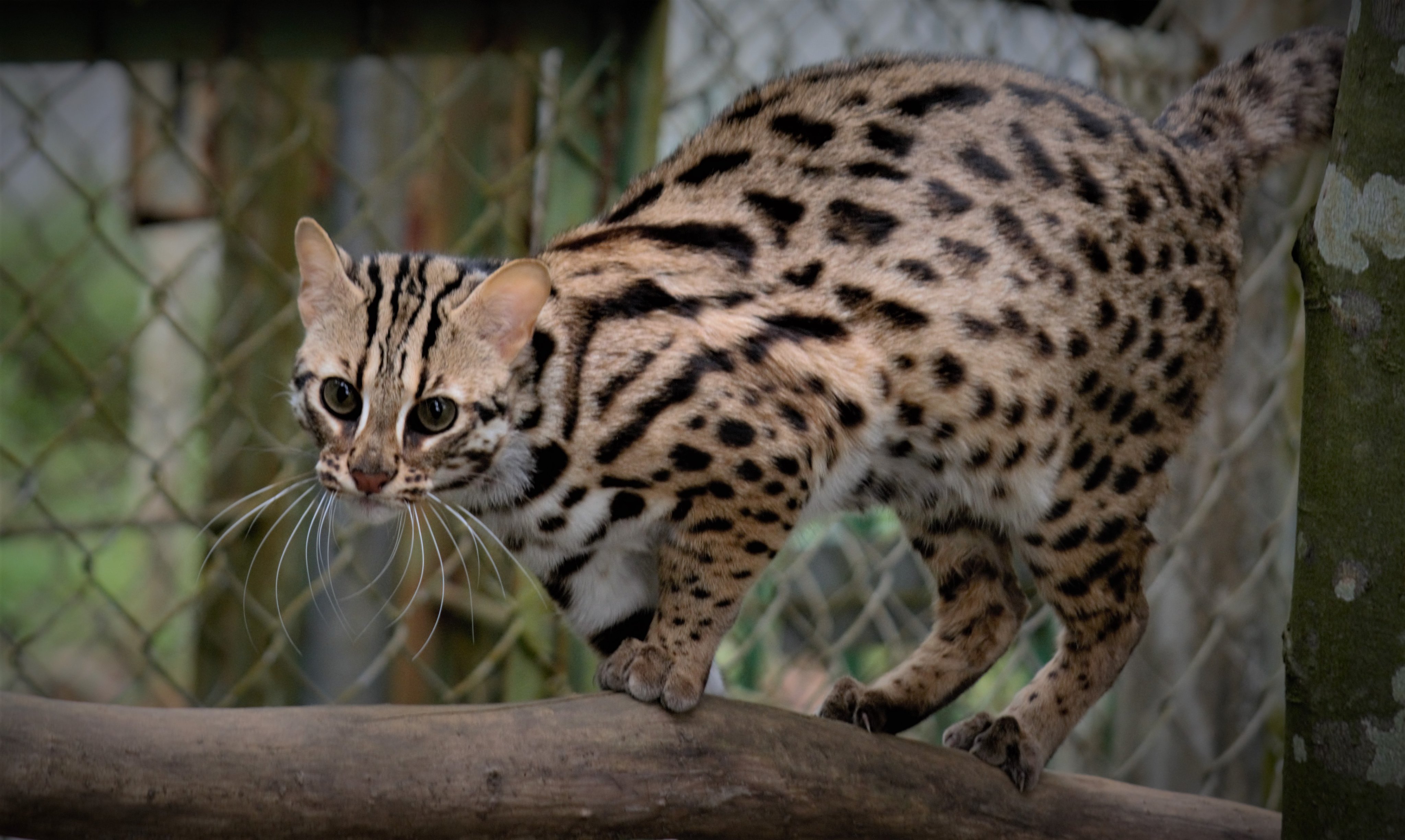


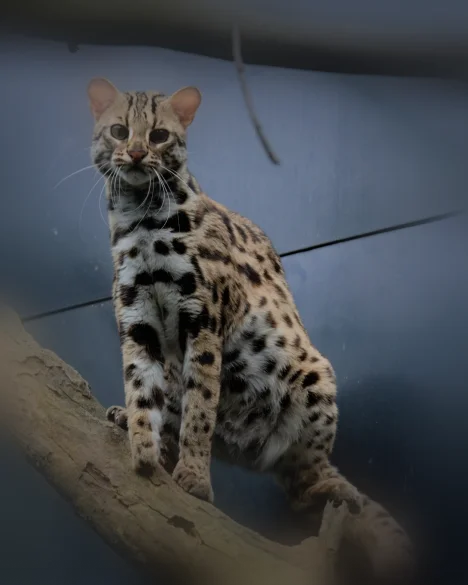


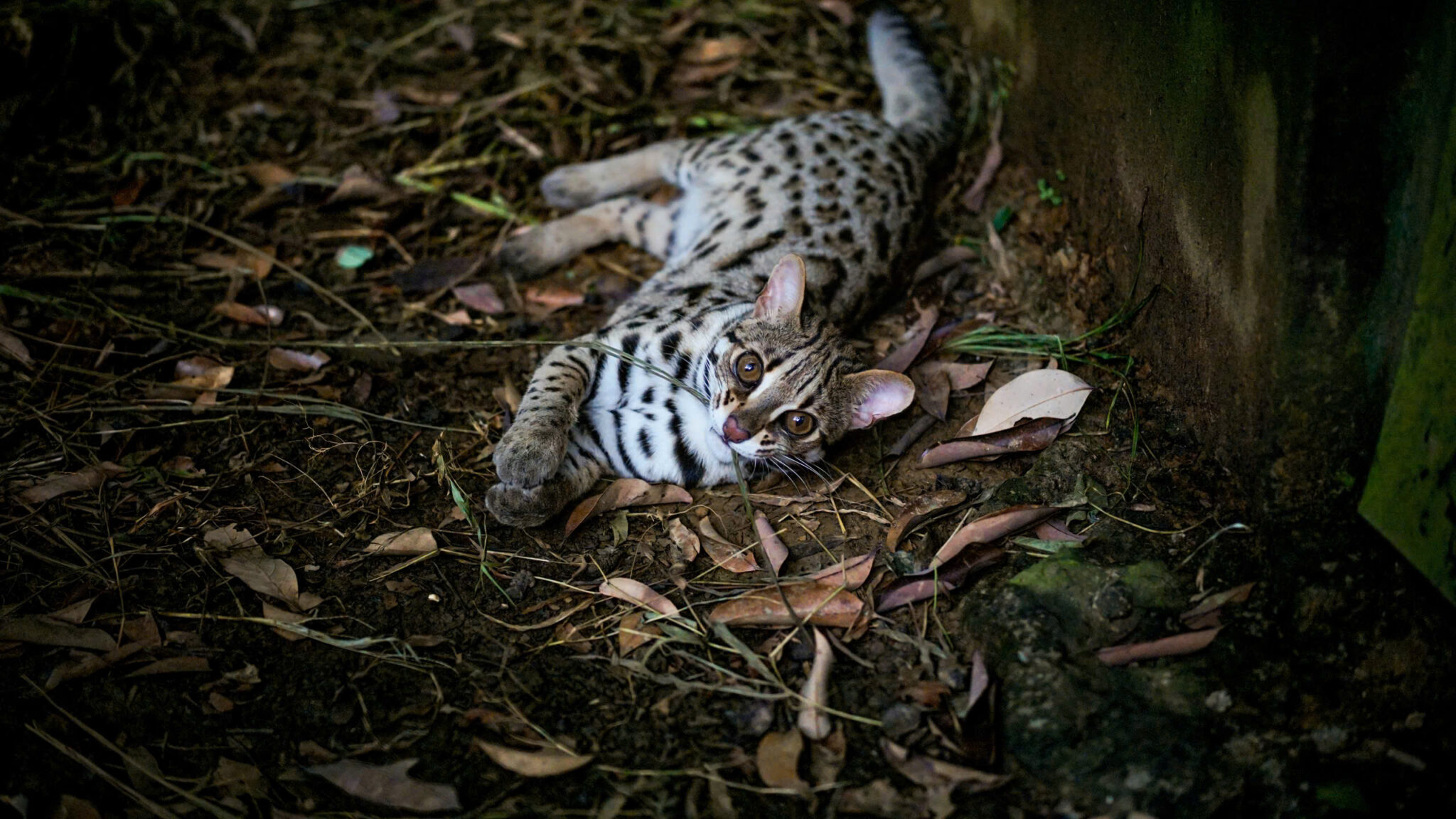
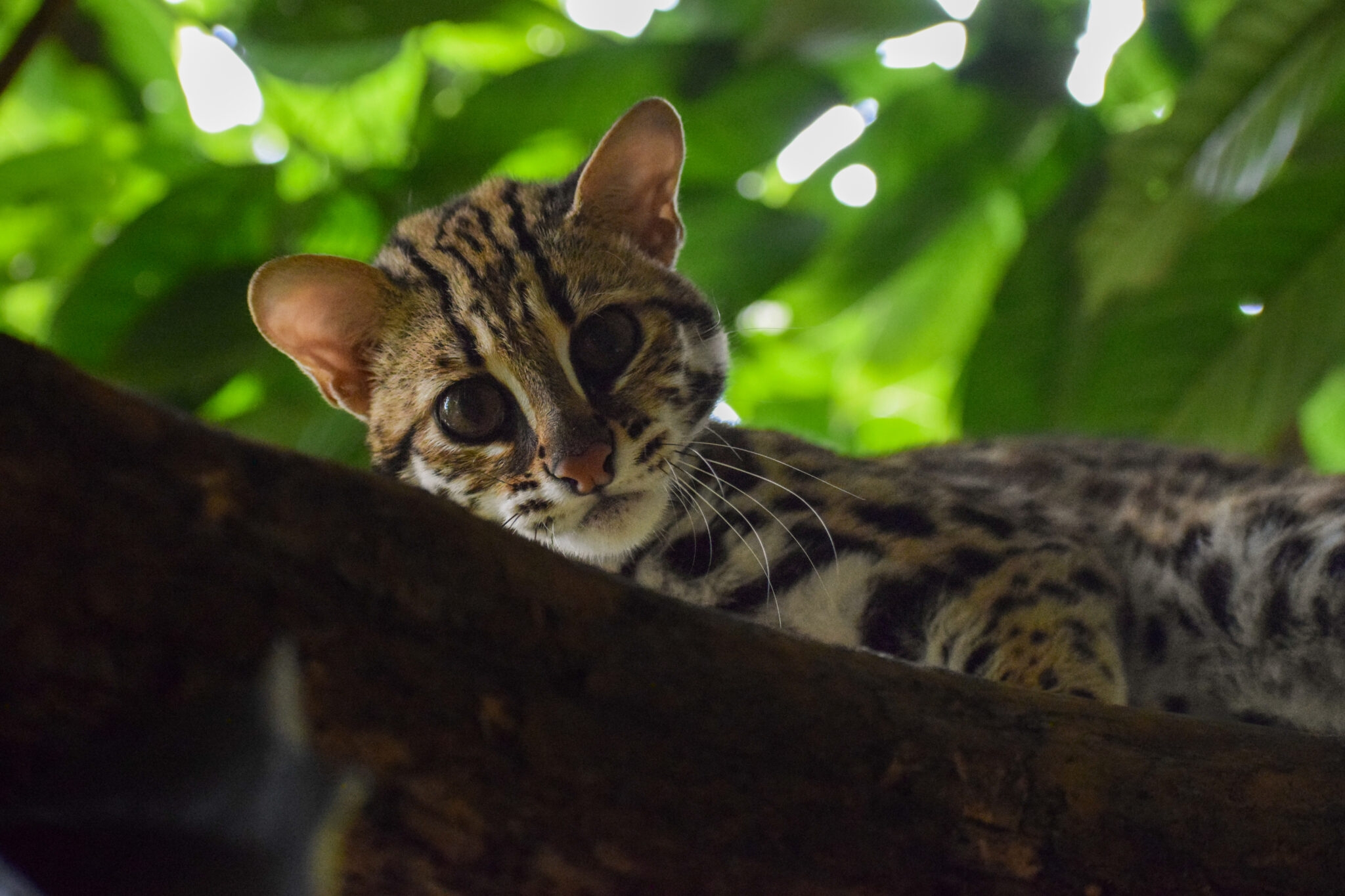
Ambassador list
The story of Mung
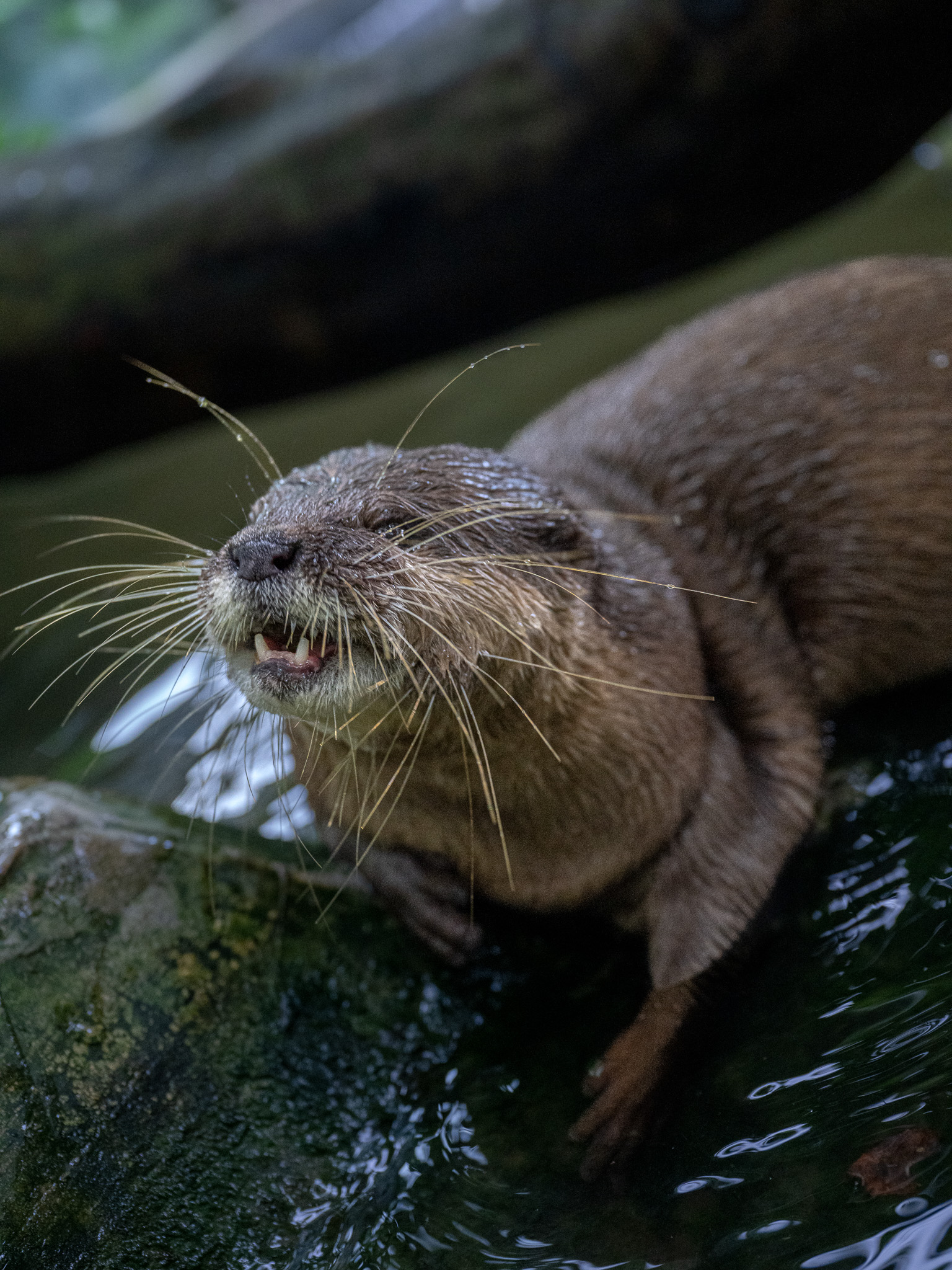
On the night of the 30th day of the Lunar New Year (February 9, 2024), a young leopard cat kitten was rescued. Its eyes had only just opened, and it had a wound on its abdomen caused by a lawnmower.
Earlier that day, while clearing grass around a gravesite in Thach Quang commune, Thach Thanh district (Thanh Hoa), a local resident discovered two leopard cat kittens. Both had been injured by a lawnmower blade. Sadly, one was too severely injured to survive. The other was luckier, suffering only a minor abdominal wound - this was Mung.
The resident took Mung home to care for it temporarily before contacting the Thach Thanh District Forest Protection Department to hand it over to the authorities. On that very night, just hours before the New Year, the Forest Protection Department coordinated with the Carnivore and Pangolin Conservation Program to receive and transfer the kitten. Because of this special timing, we named him "Mung," meaning to celebrate the New Year and to celebrate life.
During the first few days, our care team and veterinarians bottle-fed Mung. Staff took turns feeding him every 2–3 hours, day and night, providing dedicated care throughout the first two months.
Although Mung was later moved to a semi-wild enclosure to recover his natural instincts, he remained accustomed to human presence. Consequently, we decided to keep Mung at the Center for long-term care. He has now become an "education ambassador," sharing his story with visitors and helping to raise awareness about the conservation of leopard cats in particular and wildlife in general.
When you adopt Mung for one year, you are helping to save leopard cats - one of the threatened species in Vietnam.
The story of Echo
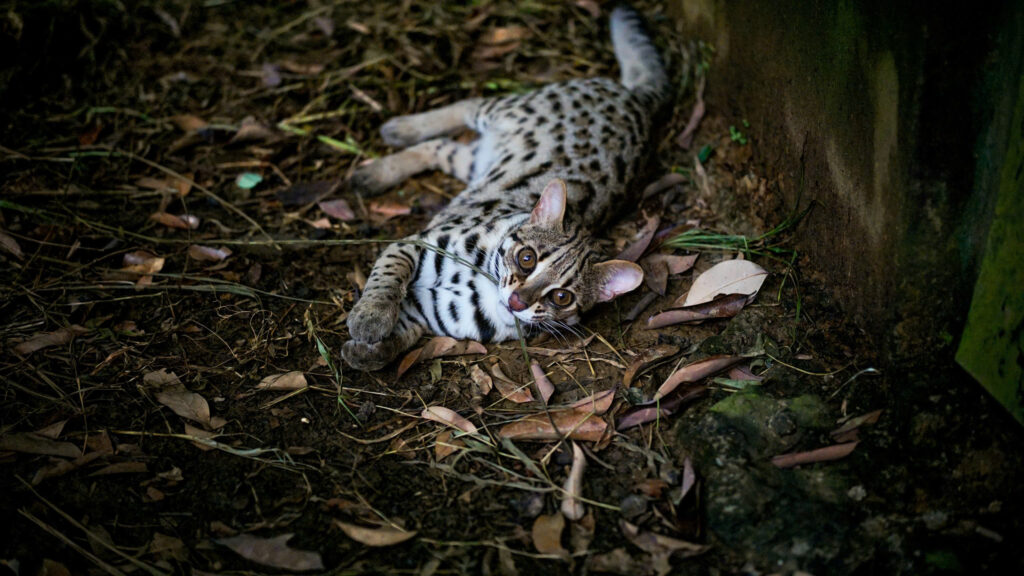
The name Echo was chosen to symbolize a lingering reminder - a story that should never be repeated.
Echo was bought as a pet when she was only around 20 days old. During captivity, she lost her entire tail, an essential part of a wildcat's body that helps with balance and hunting. Instead of learning the survival skills she would have needed in the wild, Echo spent her first months living like a domestic cat and was fed cooked food.
When her owner realized that keeping a wild animal as a pet was wrong, they voluntarily handed Echo over to our Rescue Centre. Here, she received proper care, gradually regained her natural behaviours, and now lives in a semi-wild enclosure. However, because she lost her tail and was taken from the wild at such a young age, Echo can no longer survive on her own and cannot be released back into the wild.
Today, Echo serves as one of our Education Ambassadors, helping visitors understand that:
- Keeping a wild animal as a pet can change its life forever.
- The best way to love wildlife is to let it remain in the wild.
Echo is nature's echo - a lasting reminder that protecting wildlife begins with choosing not to keep, buy, trade, or consume wild animals.
The story of Trivet
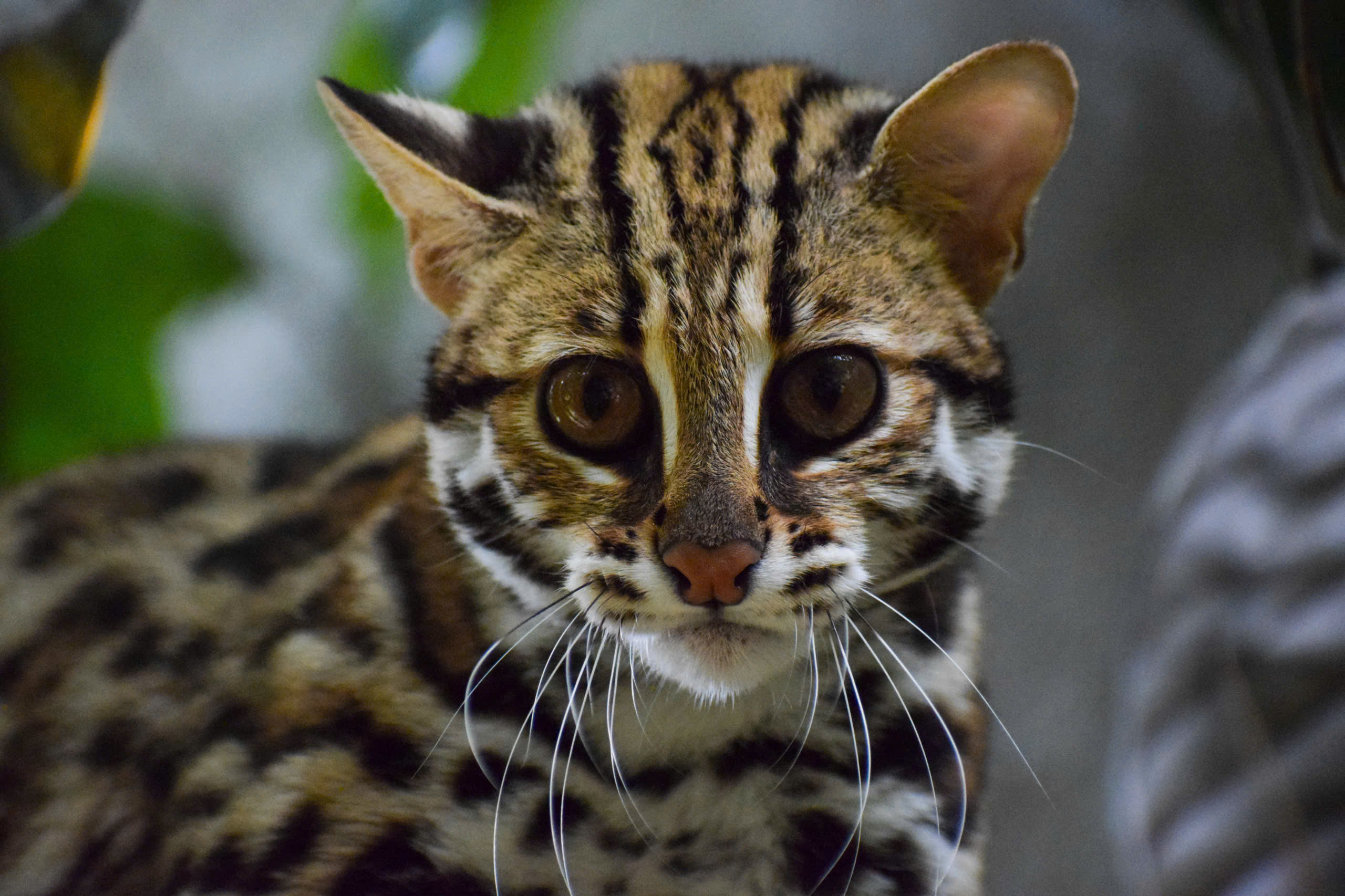
This adorable little wildcat is a survivor of illegal hunting and wildlife trafficking.
Trivet was brought to a veterinary clinic in Quy Nhon by a local resident after being found with a severely injured paw caused by a snare trap. After four months of treatment, he was transferred to Save Vietnam's Wildlife's Rescue Centre in Cuc Phuong National Park in late 2022, where he could receive the specialized care needed for his recovery.
Today, Trivet is healthy, active, and full of curiosity. However, he can never return to the wild. Can you guess why?
The answer is simple but heartbreaking - his injured paw could not be saved. Losing a foot also meant losing the ability to survive in his natural habitat.
Trivet is now one of Save Vietnam's Wildlife's Education Ambassadors, helping visitors understand the devastating consequences of illegal hunting and wildlife trade. Although he cannot return to the forest, he has found a new purpose: inspiring people to protect wildlife and prevent other animals from suffering the same fate.
His name, Trivet, refers to a three-legged stand - a symbol of stability and resilience. It reflects our hope that although he has lost one of his legs, he will continue to live a happy life and move forward with strength and confidence.